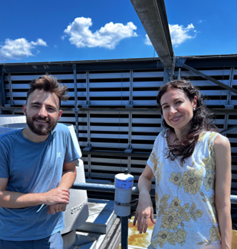
About the Community Sensor Lab
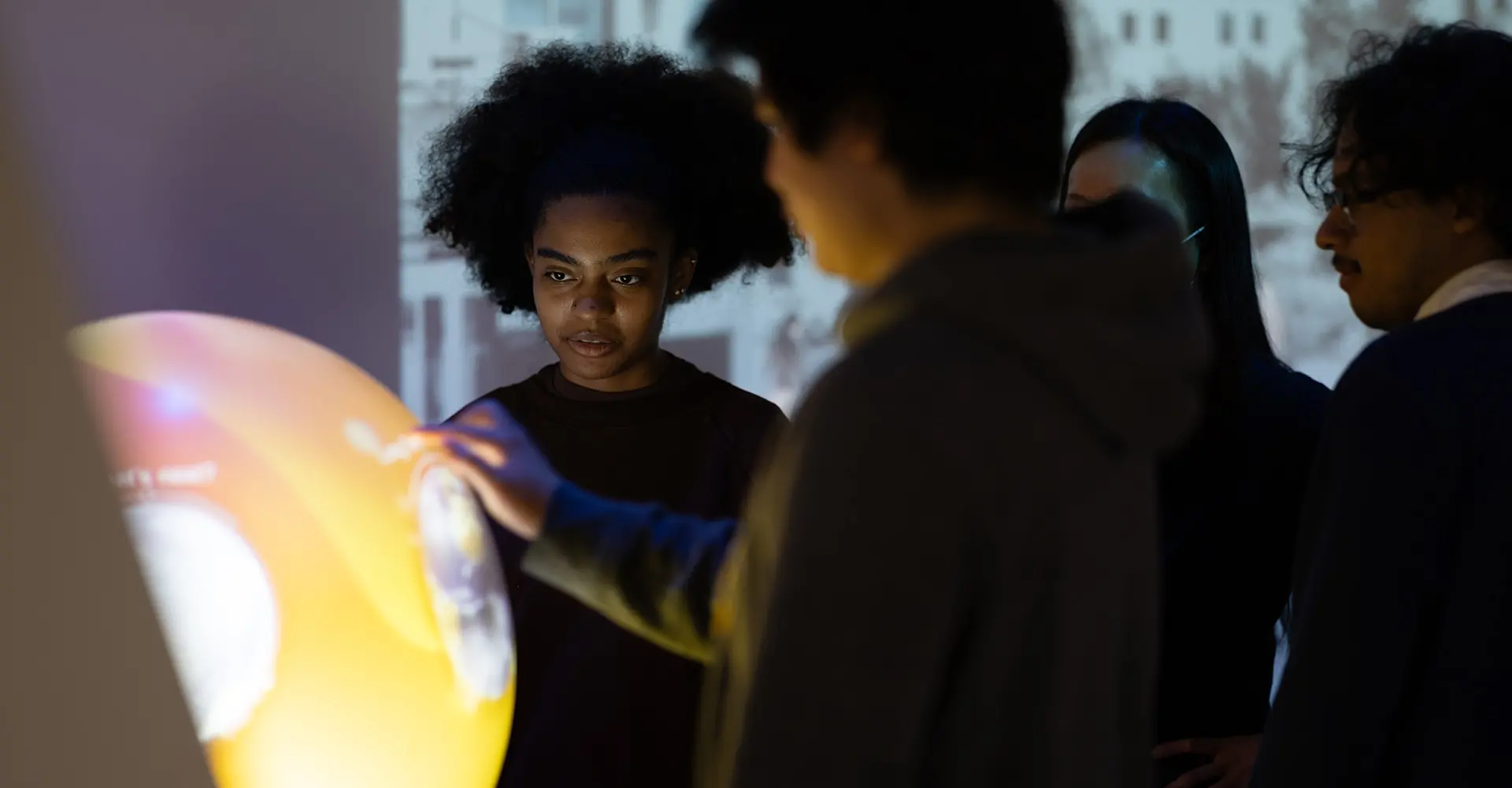
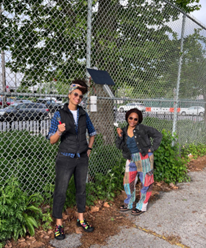
The Community Sensor Lab, based at the CUNY Advanced Science Research Center, has worked with students and community members for over 5 years to develop a low-cost Arduino-based air quality monitoring system. Through partnerships with local Community-Based Organizations, we have co-developed programs that work with community members to build and install the sensors in local neighborhoods such as Red Hook, Brooklyn, and Harlem, NY. The initiative strives to support hyper-local environmental monitoring while expanding community access to technology and data that can be leveraged for environmental awareness and advocacy.
About the Workshop
Participants will build a low-cost, Arduino-based environmental sensing system that measures temperature, humidity, pressure, particulate matter, nitrogen oxides, volatile organic compounds, and carbon dioxide. The workshop covers sensor assembly, coding, wireless data logging, and real-time data analysis using Google Sheets. No prior experience is required; participants leave with a fully functioning device, documentation, and the skills to replicate the project at their school or community site. Enrollment is limited to 12 participants.
What You’ll Do
- Build a wireless environmental sensing device using Arduino
- Measure air quality and environmental conditions (PM, NOx, VOCs, CO₂, temperature, humidity, pressure)
- Stream and analyze live data in Google Sheets
Skills You’ll Gain
- Electronics and electricity fundamentals
- Embedded microcontrollers and low-power systems
- Coding, debugging, data analysis, and graphing
What You’ll Leave With
- A fully assembled sensor system for home or school use
- All materials, tools, and build documentation
- The know-how to replicate the workshop, with follow-up support
Who Should Apply
- No prior experience required
- Ideal for educators and community members interested in environmental science and technology
Capacity: Limited to 12 participants
The details of the workshop activities are in our Community-Sensor-Lab GitHub page:
Question and more info contact: [email protected]
Date: Friday March 13th, 2026, 9am – 4pm
Location: The CUNY Advanced Science Research Center 85 St Nicholas Terrace, New York, NY 10031
The Community Sensor Lab will be hosting a hands-on hybrid workshop on low-cost, low-power environmental sensors. A day long, in-person workshop will be followed by two 2-hour evening online sessions with an optional troubleshooting check in later in the semester.
| In person at the Community Sensor Lab, ASRC | Friday March 13th, 2026 | 9am to 4pm | Assembly, implementation of sensor device and discussions (Light Breakfast and lunch provided) |
| 1st online session | April 13th session, 2026 | 5:30pm to 7:30pm | Environmental data manipulation and display |
| 2nd online session | April 14th session, 2026 | 5:30pm to 7:30pm | Analysis and presentation of data |
| 3rd optional online session | TBD | Troubleshooting and Follow-Up |
Workshop Agenda
Day 1 In person at ASRC
Friday March 13th2026
9am – 4pm
Building and Learning about Air Quality Sensor Systems
| Breakfast |
| Welcome and Introductions |
| Overview |
| Intro to Sensing through the Body and Technology |
| Intro to the DIY Air Quality Sensor and What it Measures |
| Hands-On Electricity: Voltage, Current & Breadboarding |
| Inside the Arduino Feather: Logic, LEDs, and Interactive Inputs |
| Lunch |
| Inside the Arduino: Continued |
| CO₂ Sensor Deep Dive: Building the Circuit, Running the Code, Analyzing the Data |
| AQS Build Lab: PCB Hardware Design, Multi Sensor Integration, Sensor Physics, and Full-System Coding |
| Break |
| Particulate Matter Sensing: Air Particles, Detection, and Data Literacy |
| Air Pollutant Gases: VOC/NOx Chemistry, Detection, and Data Interpretation |
| WiFi Provisioning: Preparing the Device for Use |
| AQS Data Pipeline: Logging, Organizing & Interpreting Data |
| Questions – Next Steps |
| Adjourn |
April 13th
5:30-7:30pm Online
Large Data Sets on Google Sheets: Data Graphing & Analysis
April 14th
5:30-7:30pm Online
Developing Research Projects with Students

